

Building a personal operating model is the process of designing a structured system of habits, values, and decision-making protocols that aligns your daily actions with your long-term goals. OptiModel provides the frameworks necessary to transform this abstract concept into a practical, executable blueprint. This guide covers the essential steps for selecting the right approach, verifying your progress, and maintaining consistency over time.
How to Choose the Right Framework
Choosing the right framework is the first critical step in building a personal operating model. A personal operating model is a tailored system that dictates how you work, think, and lead. Not all frameworks are created equal. Some are rigid and prescriptive, while others are flexible and adaptive. You must select a model that aligns with your current life stage and professional environment.
Evaluating Flexibility vs. Structure
When selecting a framework, evaluate the balance between structure and flexibility. A highly structured model may be beneficial for those who struggle with discipline, but it can feel restrictive for experienced leaders who need autonomy. Conversely, a flexible model requires a high degree of self-awareness. OptiModel’s approach emphasizes that your model should be a living document, constantly adapting to your changing needs and aspirations.
Aligning with Core Values
Your operating model must be grounded in your core values. If the framework contradicts your ethical compass, you will experience cognitive dissonance. Look for tools that help you define your values first, then build the systems around them. This ensures that your daily habits are not just productive, but also meaningful.
What to Ask Before Committing
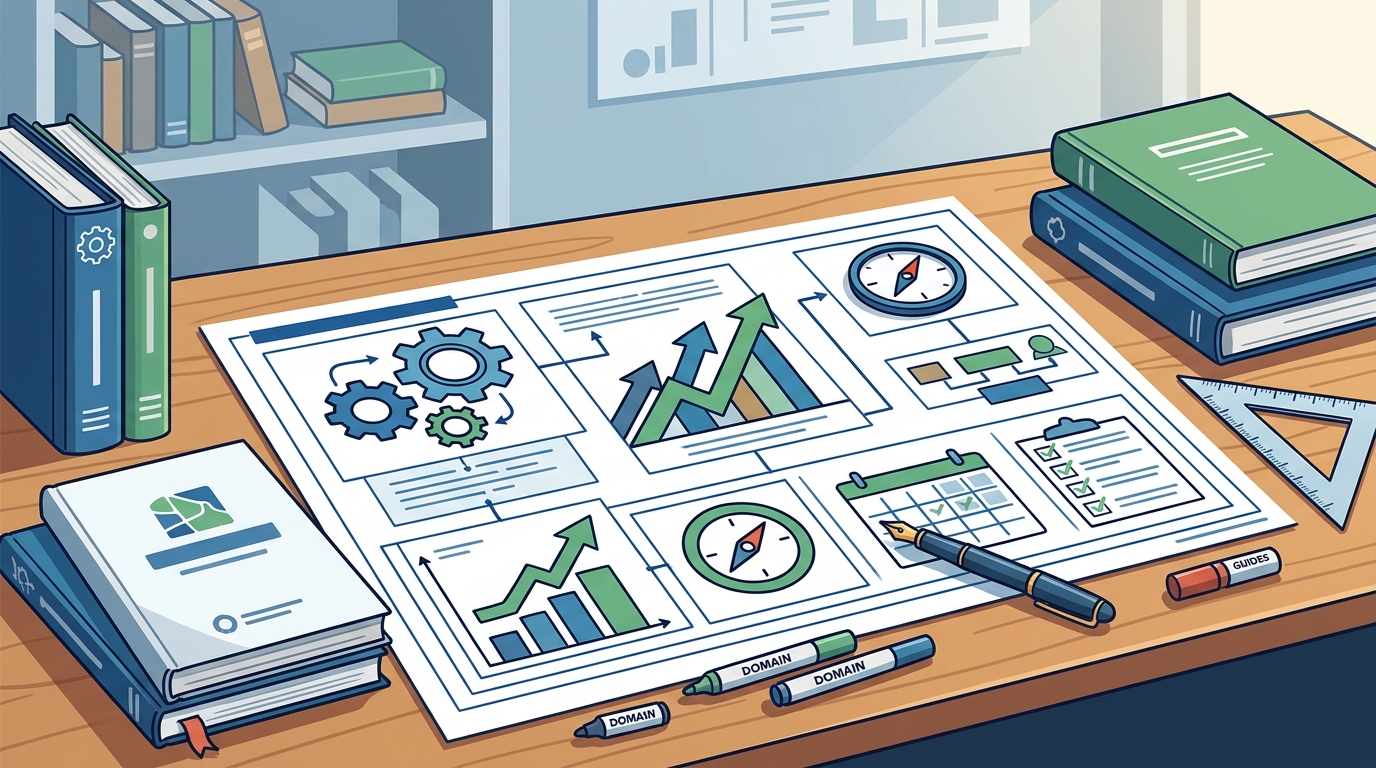
Before you invest time in a new operating model, you must ask specific diagnostic questions. These questions help you understand your current baseline and identify gaps. Without this self-assessment, you are building on a shaky foundation.
Identifying Your Strengths and Gaps
Ask yourself what you are naturally good at and where you consistently struggle. A personal operating model is not about fixing every weakness, but about leveraging your strengths and managing your weaknesses. Identify the areas where you want to see the most significant change.
Defining Your Success Metrics
How will you know if the model is working? Define clear, measurable success metrics. Are you looking for improved productivity, better work-life balance, or enhanced leadership presence? Your answers will dictate the specific components of your operating model.
How to Verify Your Progress
Verification is the mechanism that keeps your operating model honest. Without regular verification, you may drift back into old habits without realizing it. Verification involves tracking your adherence to the systems you have designed.
Using Data and Reflection
Combine quantitative data with qualitative reflection. Track metrics such as time spent on high-value tasks or the number of decisions made with clarity. Pair this with regular journaling or reflection sessions to assess your emotional state and alignment with your values.
Seeking External Feedback
Internal perception can be biased. Seek feedback from trusted colleagues or mentors. They can provide an objective view of your behavior and help you identify blind spots in your operating model.
How the Process Works
The process of building a personal operating model is iterative. It involves several distinct phases that move from assessment to execution. Understanding this workflow helps you manage your expectations and stay committed.
Phase 1: Self-Assessment
The first phase is a deep dive into your current state. This involves auditing your habits, values, and goals. You are mapping out the terrain before you start building.
Phase 2: Design and Prototyping
In the second phase, you design the core components of your model. This includes defining your daily routines, decision-making rules, and communication protocols. You then prototype these systems on a small scale to test their viability.
Phase 3: Implementation and Refinement
The final phase is full implementation. You integrate the model into your daily life. This is where refinement happens. You adjust the systems based on what works and what does not. The goal is to create a seamless integration of your personal and professional life.
What It Costs
The cost of building a personal operating model is primarily an investment of time and mental energy. While there are no direct financial costs for the concept itself, the process requires significant upfront effort. You must be prepared to dedicate time to self-assessment and system design.
Time Investment
Expect to spend several weeks on the initial design phase. This includes time for reflection, research, and prototyping. The ongoing maintenance of the model requires a daily commitment of time for review and adjustment.
Opportunity Cost
Consider the opportunity cost of not having a model. Without a structured system, you may waste time on low-value activities or make reactive decisions. The cost of inaction often outweighs the cost of implementation.
Common Mistakes to Avoid
Many leaders fail to build a sustainable personal operating model due to common pitfalls. Recognizing these mistakes early can save you months of frustration.
Over-Complicating the System
A common error is creating a model that is too complex. If your system requires too much effort to maintain, you will abandon it. Keep your operating model simple and focused on the most critical areas of your life.
Ignoring Feedback Loops
Another mistake is failing to build in feedback loops. If you do not regularly review your progress, you will not know when the model is failing. Regular verification is essential for long-term success.
Personal Operating Models vs. Alternatives
While a personal operating model is a powerful tool, it is not the only option. Understanding how it compares to other approaches helps you determine if it is the right fit for you.
| Approach | Focus | Best For |
|---|---|---|
| Personal Operating Model | Systematic alignment of values and actions | Leaders seeking long-term consistency |
| Goal Setting (OKRs) | Specific, measurable outcomes | Teams focused on short-term targets |
| Coaching | Personal development and mindset | Individuals needing external guidance |
A personal operating model is distinct from simple goal setting. While goals define where you want to go, an operating model defines how you get there. It provides the infrastructure for consistent execution. Coaching can be a valuable component of building your model, providing the external perspective needed to refine your systems.
Application in Specific Situations
The application of a personal operating model varies depending on your specific situation. Whether you are a new leader or an established executive, the core principles remain the same, but the focus may shift.
New Leaders
For new leaders, the operating model should focus on building credibility and understanding the organizational culture. The first 90 days are critical for establishing your baseline. Use this time to listen, learn, and design a model that supports your transition.
Established Executives
For established executives, the focus may shift to scaling and delegation. Your operating model should include systems for decision-making that allow you to focus on high-level strategy while empowering your team to handle execution.
Rules and Protections
Building a personal operating model involves setting rules for yourself. These rules act as protections against burnout and misalignment. They define the boundaries of your work and personal life.
Setting Boundaries
Define clear boundaries between work and personal time. These boundaries are not just about time management; they are about energy management. Protect your focus by creating rules that limit distractions and interruptions.
Ethical Guardrails
Incorporate ethical guardrails into your model. Define the principles that you will not compromise, regardless of the pressure. These guardrails ensure that your success is sustainable and aligned with your integrity.
Local and Industry Specifics
While the core principles of a personal operating model are universal, their application can be influenced by local and industry-specific factors. Understanding these specifics helps you tailor your model to your environment.
Industry Norms
Different industries have different expectations for leadership and performance. In fast-paced tech environments, your model may need to emphasize agility and rapid iteration. In traditional industries, it may need to emphasize stability and long-term planning.
Geographic Considerations
Geographic location can also impact your model. If you are working in a remote or hybrid environment, your operating model must include robust communication and collaboration protocols. OptiModel’s resources are designed to be adaptable to various contexts, ensuring that your model remains effective regardless of your location.
Timing Your Implementation
Timing is a critical factor in the success of your personal operating model. Implementing a new system at the wrong time can lead to failure. You must choose a moment when you have the bandwidth to focus on the process.
Choosing the Right Moment
Avoid starting your model during periods of high stress or crisis. These times are not conducive to the deep reflection and design required. Instead, choose a period of relative stability. This gives you the mental space to build your systems effectively.
Seasonal Alignment
Consider aligning your implementation with natural cycles. Starting at the beginning of a new year or quarter can provide a psychological reset. This alignment can help you maintain momentum and stay committed to the process.
Results Over Time
The results of a personal operating model are not immediate. They accumulate over time, creating a compounding effect. Understanding this timeline helps you stay patient and persistent.
Short-Term Gains
In the short term, you may experience increased clarity and reduced decision fatigue. These gains are often the most noticeable and provide the motivation to continue.
Long-Term Impact
Over the long term, the impact of your operating model becomes profound. You develop a consistent identity and a reputation for reliability. Your performance becomes less dependent on your mood or external circumstances. This consistency is the hallmark of effective leadership.
Key Takeaways
- A personal operating model is a tailored system that aligns your daily actions with your long-term goals.
- Choosing the right framework requires balancing structure with flexibility and aligning with your core values.
- Self-assessment is the foundation of a successful model; identify your strengths and gaps before designing your systems.
- Verification through data and feedback is essential for maintaining honesty and adjusting your model.
- The process is iterative, involving assessment, design, and refinement.
- Common mistakes include over-complicating the system and ignoring feedback loops.
- Timing your implementation during a period of stability increases the likelihood of success.
- Long-term results include increased consistency, reduced decision fatigue, and a stronger leadership identity.
Frequently Asked Questions
What is a personal operating model?
A personal operating model is a structured system of habits, values, and decision-making protocols that aligns your daily actions with your long-term goals.
How long does it take to build a personal operating model?
It typically takes several weeks to design and prototype a personal operating model. The ongoing refinement process is continuous.
Can I use a personal operating model if I am not a leader?
Yes, a personal operating model is beneficial for anyone seeking to improve their productivity, clarity, and alignment with their values.
What is the difference between a personal operating model and a goal?
A goal defines where you want to go, while a personal operating model defines how you get there. It provides the infrastructure for consistent execution.
How do I know if my personal operating model is working?
You can verify your progress by tracking metrics such as time spent on high-value tasks and seeking feedback from trusted colleagues.
Is a personal operating model a one-time exercise?
No, a personal operating model is a living document that should be regularly reviewed and adjusted to reflect your changing needs and aspirations.
Conclusion
Building a personal operating model is a transformative journey that requires intentionality and discipline. By following the steps outlined in this guide, you can create a system that supports your growth and success. OptiModel provides the tools and frameworks you need to navigate this process with confidence. Start by assessing your current state, then design a model that aligns with your values and goals. Remember that this is a continuous process of refinement. To begin your journey, explore the Developing a Personal Operating Model guide or book a Clarity Worksession with an OptiModel advisor.