

Executive presence is the ability to command attention, inspire trust, and influence outcomes through consistent behavior and clear communication. It is not a fixed trait but a set of learnable skills that leaders develop through deliberate practice and structured feedback. OptiModel provides frameworks and advisory support to help newly promoted executives bridge the gap between technical expertise and strategic influence.
The Shift in Perception
When you move from an individual contributor to a leadership role, the metrics of success change. Your value is no longer measured by the work you do, but by the work you enable others to do. This shift often creates a gap between your internal confidence and how others perceive your authority. People watch for signals of stability, clarity, and decisiveness. If these signals are missing, trust erodes quickly.
Consider a senior engineer promoted to engineering director. The engineer is respected for their code quality. The director is respected for their ability to align the team, manage stakeholders, and make hard calls under uncertainty. The skills that got you promoted are rarely the skills that sustain you in the new role. Recognizing this distinction is the first step in building presence.
Clarity as a Leadership Tool
Clarity is the foundation of executive presence. It is the practice of communicating complex ideas in simple, direct language that leaves no room for misinterpretation. Leaders who lack clarity create ambiguity, and ambiguity breeds anxiety in teams. When you speak with precision, you signal that you understand the landscape and have a plan to navigate it.
OptiModel emphasizes that clarity is not just about what you say, but how you structure your thoughts. A leader who can distill a complex strategy into three key priorities demonstrates a level of cognitive control that commands respect. This is not about being brief for the sake of brevity. It is about being intentional with every word to ensure your message lands with impact.
The Power of the Pause
Impulsivity is the enemy of executive presence. In high-pressure environments, the urge to respond immediately is strong. However, leaders who pause before speaking demonstrate emotional regulation and strategic thinking. The pause is a deliberate tool that allows you to process information, choose your words carefully, and project calmness in the face of chaos.
Aligning Values with Action
Integrity is the bedrock of trust, and trust is the currency of leadership. Executive presence is not just about how you look or sound; it is about the consistency between your words and your actions. When your behavior aligns with your stated values, you build a reputation for reliability. When there is a disconnect, your presence is undermined, regardless of your charisma.
OptiModel’s frameworks focus on developing a Personal Operating Model, which is a tailored system of habits and principles that guide your decision-making. By defining your core values and committing to them, you create a stable foundation for your leadership style. This consistency allows others to predict your behavior, which reduces uncertainty and strengthens their confidence in your leadership.
Practical Frameworks for Growth
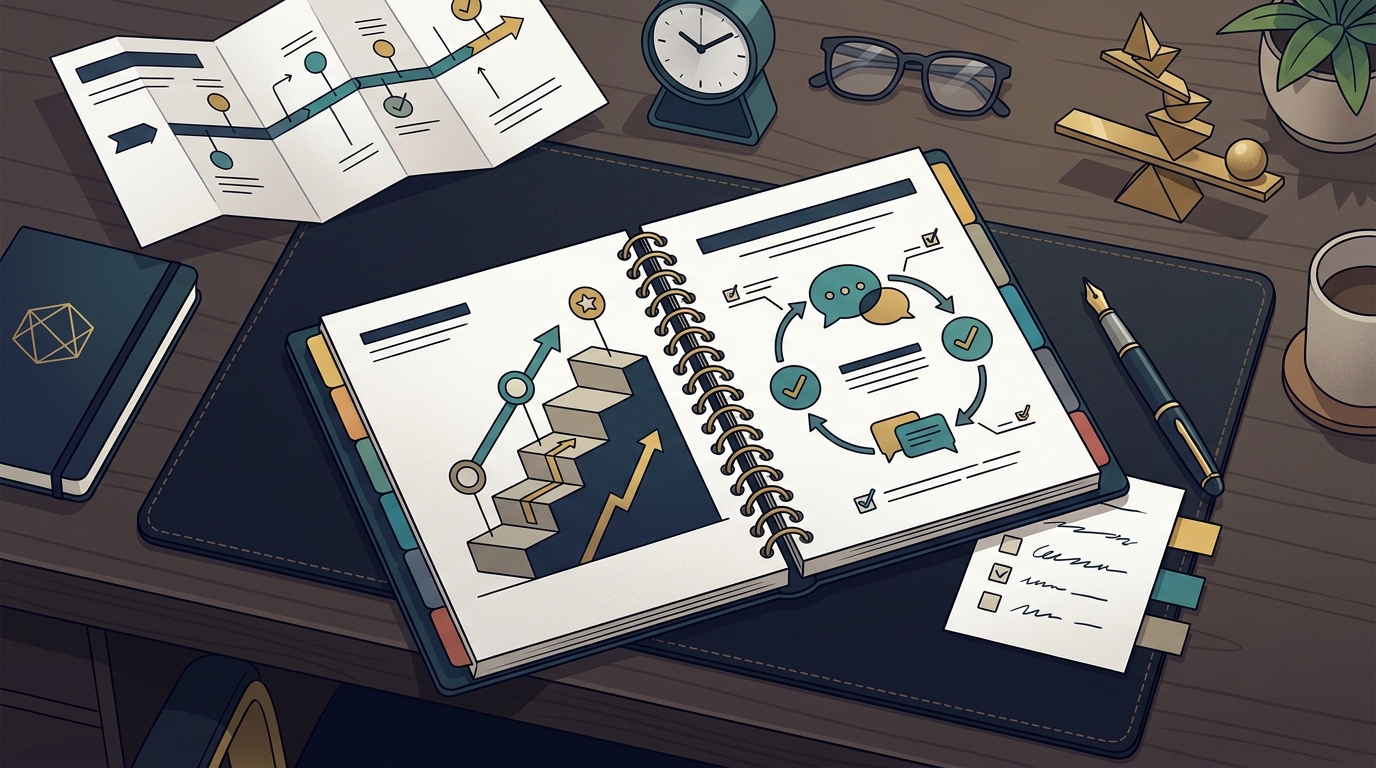
Building executive presence requires more than good intentions; it requires structured practice. OptiModel offers a range of tools, including the 90 Day Leader Playbook, which provides a phased approach to establishing credibility in a new role. The playbook guides leaders through three distinct phases: listening and learning, assessing and planning, and executing and establishing. This structure prevents the common mistake of acting before understanding the context.
Another critical tool is the Culture Diagnostic, which helps leaders understand the unwritten rules and norms of their organization. By diagnosing the culture, you can align your leadership style with the existing dynamics rather than fighting against them. These frameworks provide a roadmap for intentional growth, ensuring that your development is systematic rather than accidental.
Key Takeaways
- Executive presence is a learnable skill set focused on clarity, calmness, and consistency.
- The shift from individual contributor to leader requires a change in how you measure success.
- Clarity in communication signals cognitive control and strategic thinking.
- Using the pause demonstrates emotional regulation and command of the situation.
- Integrity is built through the alignment of stated values and actual behavior.
- Structured frameworks like the 90 Day Leader Playbook provide a roadmap for establishing credibility.
- Diagnosing organizational culture helps leaders align their style with existing dynamics.
Frequently Asked Questions
How long does it take to build executive presence?
Building executive presence is a continuous process, but noticeable improvements can occur within 90 days of deliberate practice. The 90 Day Leader Playbook suggests that the first three months are critical for establishing the foundation of trust and credibility. Consistency over time is more important than immediate perfection.
Is executive presence the same as charisma?
No, executive presence is distinct from charisma. Charisma is often about personal magnetism, while executive presence is about reliability, clarity, and the ability to influence outcomes. A leader can have strong executive presence without being traditionally charismatic, as long as they are consistent, clear, and trustworthy.
What is the first step for a newly promoted leader?
The first step is to listen and learn. Before making changes or declaring new priorities, take time to understand the people, processes, and culture of your new team. This phase of observation helps you build the context necessary for effective decision-making.
How can I improve my communication clarity?
Practice structuring your thoughts before you speak. Use frameworks like the Situation, Behavior, Impact model for feedback, or the three-point structure for presentations. OptiModel’s guides on communication provide specific techniques for sharpening your narrative and reducing ambiguity.
Does executive presence require a specific personality type?
No, executive presence is not tied to a specific personality type. Introverts and extroverts can both build strong presence by leveraging their unique strengths. The key is to be authentic while developing the specific behaviors that signal leadership, such as calmness and clarity.
How does OptiModel help with this transition?
OptiModel provides advisory services and practical frameworks designed to support leaders in this transition. Our Clarity Worksession offers a focused 90-minute session to cut through complexity and create a concrete action plan. Additionally, our library of guides and books provides ongoing resources for developing your Personal Operating Model.
Conclusion
Building executive presence after a promotion is a deliberate process of shifting your mindset and refining your behaviors. It requires moving from a focus on individual output to a focus on enabling others, and from reactive communication to intentional clarity. By using structured frameworks and seeking honest feedback, you can bridge the gap between your technical expertise and your strategic influence. OptiModel is dedicated to helping leaders navigate this transition with confidence and consistency. To begin your journey, explore our advisory services or browse our Knowledge Hub for practical tools and frameworks.